
- English
- Español
- Português
- русский
- Français
- 日本語
- Deutsch
- tiếng Việt
- Italiano
- Nederlands
- ภาษาไทย
- Polski
- 한국어
- Svenska
- magyar
- Malay
- বাংলা ভাষার
- Dansk
- Suomi
- हिन्दी
- Pilipino
- Türkçe
- Gaeilge
- العربية
- Indonesia
- Norsk
- تمل
- český
- ελληνικά
- український
- Javanese
- فارسی
- தமிழ்
- తెలుగు
- नेपाली
- Burmese
- български
- ລາວ
- Latine
- Қазақша
- Euskal
- Azərbaycan
- Slovenský jazyk
- Македонски
- Lietuvos
- Eesti Keel
- Română
- Slovenski
- मराठी
- Srpski језик
China Grafit izostatic Producători, Furnizori, Fabrică
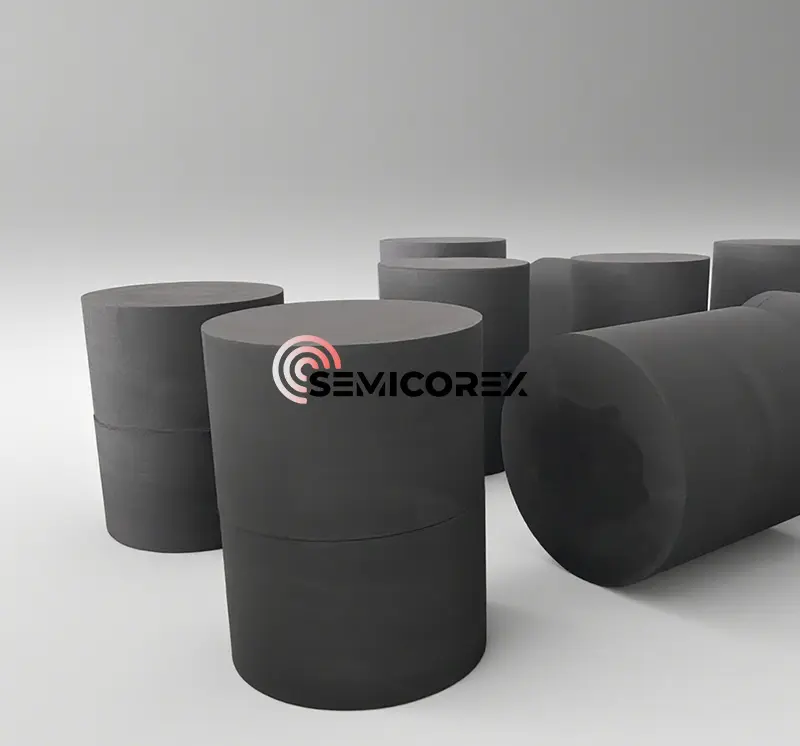
Carbon/graphite material molding essentially involves increasing the density of the powder mixture and ensuring close contact between the aggregate and binder to produce a green body with a desired size, morphology, and minimal machining allowance. The four main molding methods are extrusion, compression molding, vibration molding, and isostatic pressing. Common carbon/graphite materials on the market (for example, charcoal used for household fires) are mostly formed using hot extrusion and compression molding (cold or hot). Isostatic pressing offers superior molding performance.
The principle of isostatic pressing is based on Pascal's law: pressure applied to a medium (liquid or gas) in a sealed container is uniformly distributed in all directions, with the pressure on the surface being proportional to the surface area. Isostatic pressing involves placing a sample, enclosed in a sealed container, within a high-pressure cylinder. Leveraging the incompressible nature of the liquid medium and its ability to uniformly transmit pressure, the sample is uniformly pressed from all directions. When the fluid is injected into the cylinder, the pressure is evenly transmitted in all directions according to the principles of fluid mechanics. The sample in the cylinder is then subjected to uniform pressure in all directions.
Due to the isostatic pressing method, isostatically pressed graphite exhibits excellent isotropy, with properties independent of shape, size, or sampling direction. The material possesses a dense microstructure, high mechanical strength, high surface hardness, and oxidation resistance. Strong performance and high-temperature resistance; the material has excellent thermal shock resistance and is less susceptible to cracking under rapid cooling and heating conditions.
1. Isotropy
Different molding methods result in different properties in different directions. This is primarily reflected in resistivity, thermal conductivity, mechanical properties, and thermal expansion coefficient. The general measurement method is to sample the product perpendicular to and horizontally from the pressure surface, measure the properties separately, and then divide the smallest value by the largest value to obtain the isotropy ratio.
Traditional carbon/graphite products exhibit significant anisotropy, i.e., the properties of the product are different in the directions perpendicular to and horizontal to the pressure surface. The corresponding difference in performance is generally greater than 1:1.1, hence the term anisotropy. In many cases, this difference is fully exploited, and the greater the difference, the better. Examples include graphite electrodes for steelmaking and brushes for motors. Many applications, such as EDM and single-crystal silicon thermal field applications, increasingly require carbon/graphite products to exhibit isotropy (with an orientation ratio within the 1:1.05 range).
2. Large Dimensions
The market is increasingly demanding larger product sizes. For example, single-crystal silicon products have grown from 6- and 8-inch sizes to 12-inch sizes. The size of graphite materials used in thermal fields is also increasing. This is also increasing. Similar trends are seen in other related industries. Graphite for EDM, continuous casting, and nuclear reactors also requires large-scale products. This is difficult to achieve using molding and extrusion methods. The primary problem with large-scale product production is calcination cracking, and the larger the product, the higher the chance of calcination cracking.
3. Fine Structure
As a structural material, it requires high physical and chemical properties. On the one hand, the finer the particle size of the carbon particles that make up the carbon/graphite material, the denser its texture and the higher its mechanical strength.
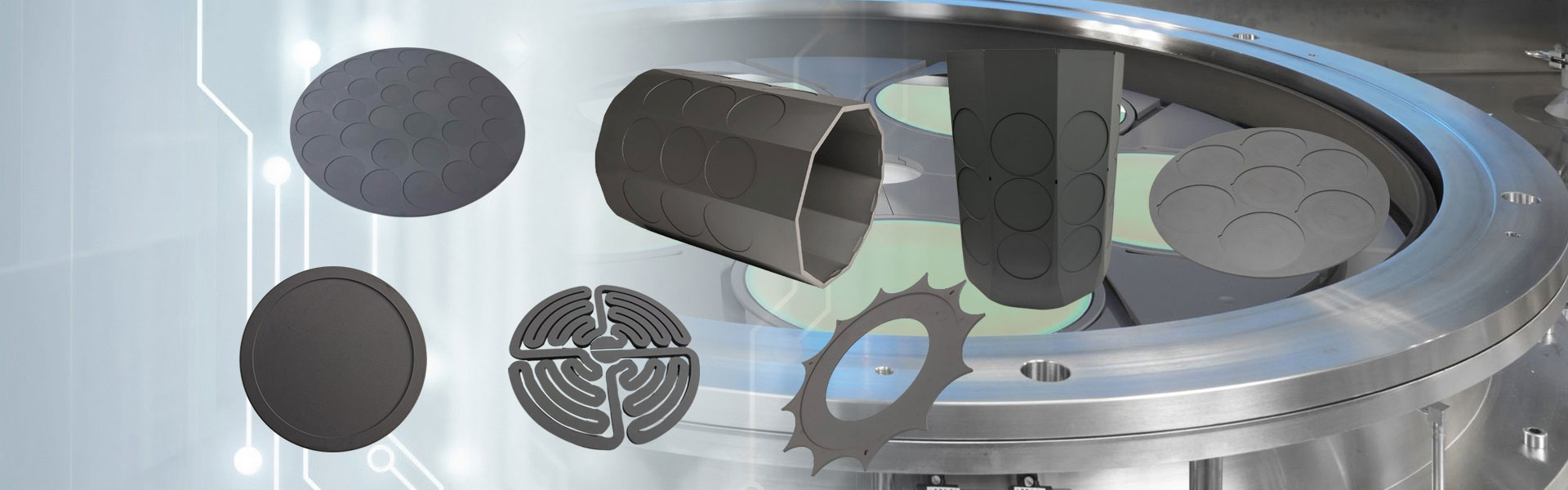
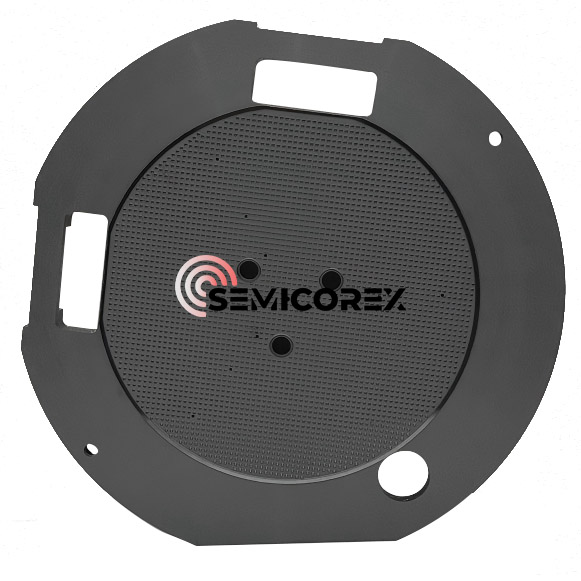
Isostatically pressed graphite is widely used in semiconductor manufacturing processes. It is used in graphite components for the hot zone of single crystal growth furnaces, such as crucibles, heaters, flow guides, and insulation covers; and in graphite components used in epitaxial processes.


- View as
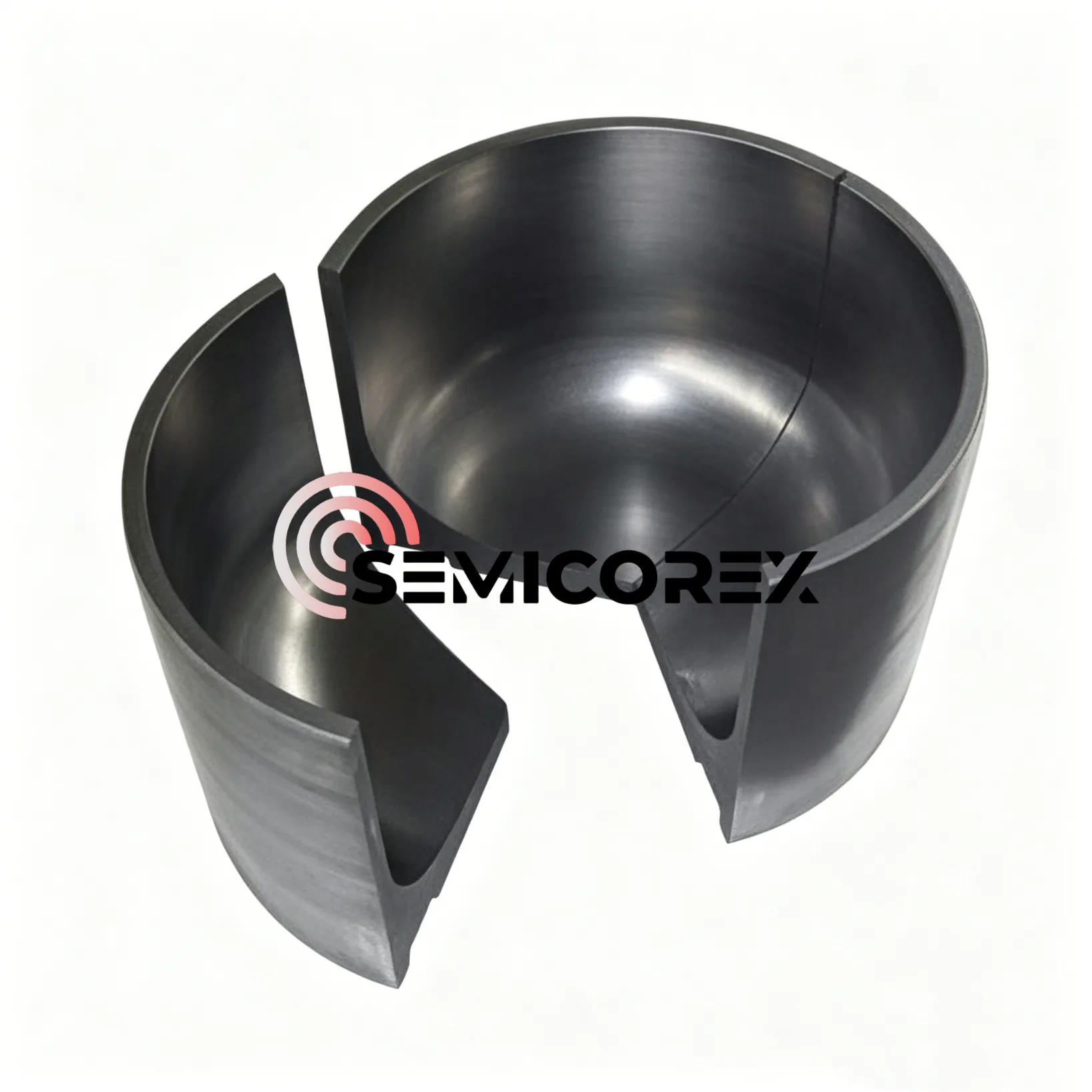
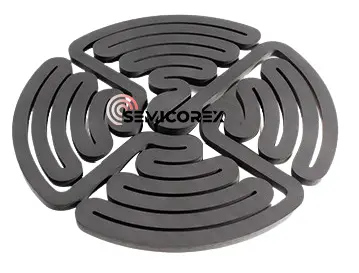
Creusete din grafit din trei piese
Crezetele din grafit Semicorex din trei piese sunt recipiente de grafit divizate de înaltă performanță, special concepute pentru procesele de creștere a siliciului monocristal. Ideal pentru tratarea termică cu semiconductori de ultimă generație, creuzetul din grafit din trei piese Semicorex poate susține în mod fiabil creuzetul de cuarț și materialele sale interne pentru a obține creșterea controlată a structurilor monocristaline.
Citeşte mai multTrimite o anchetă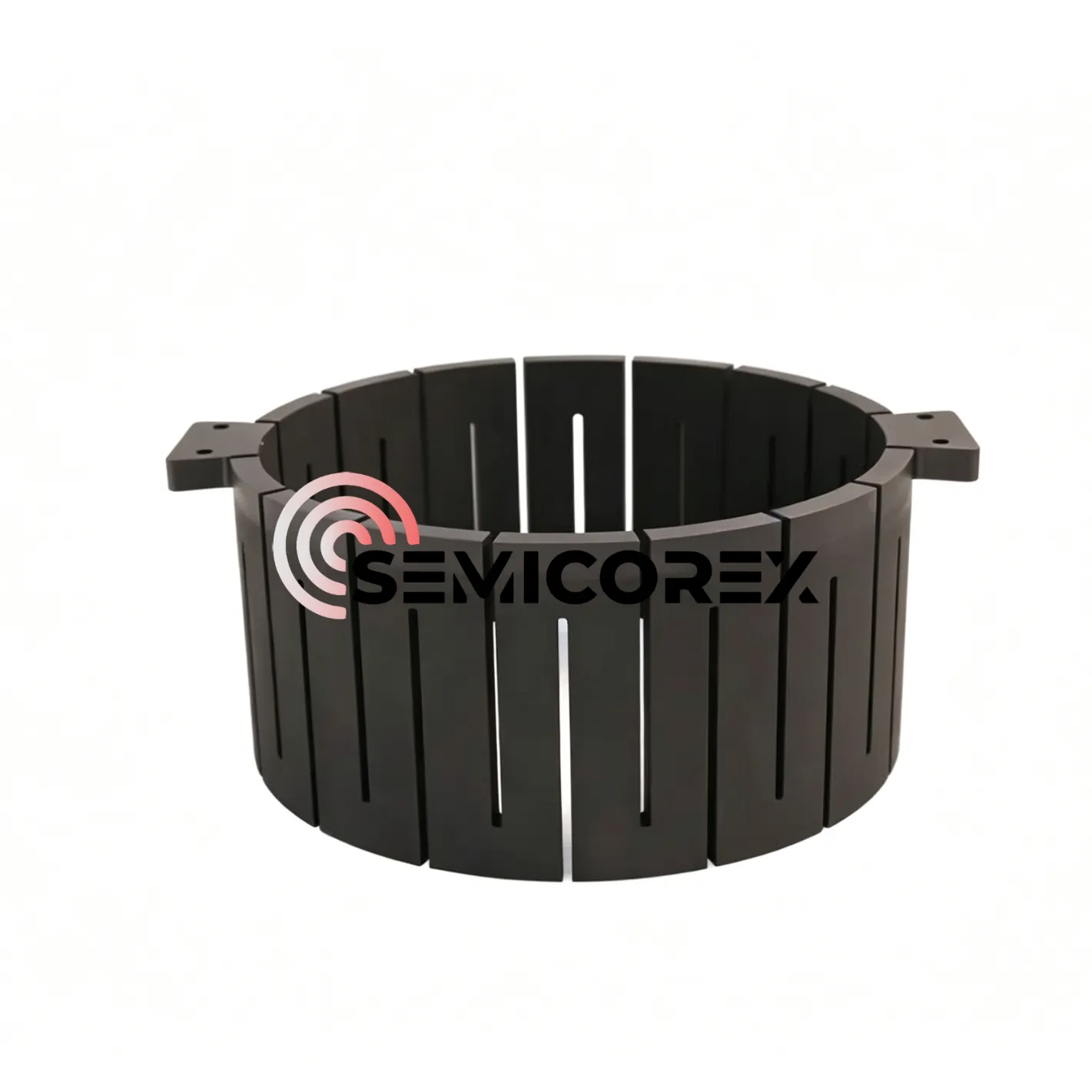
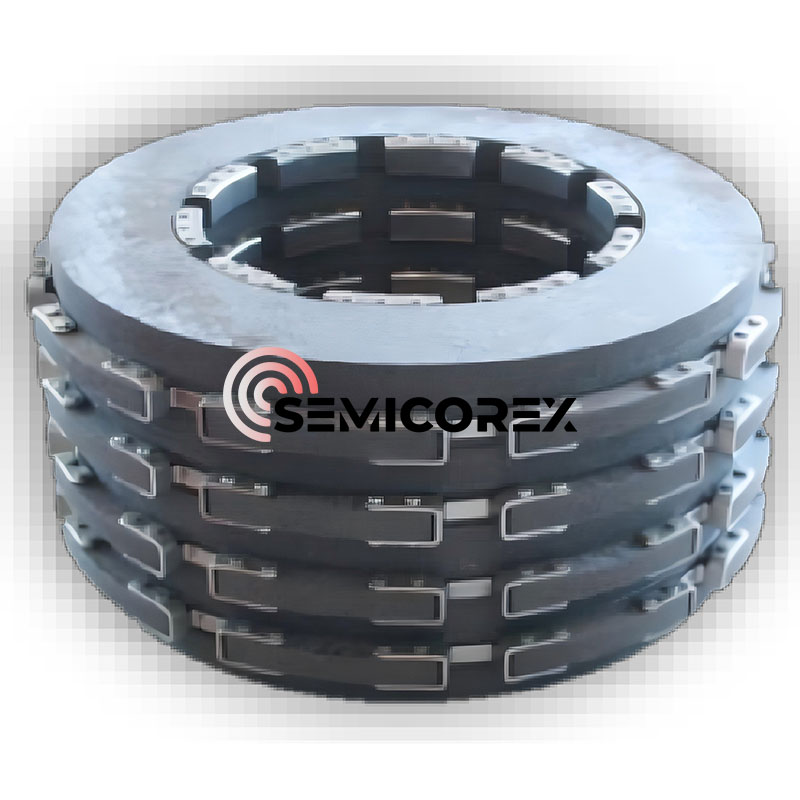
Încălzitoare din grafit tip manșon
Încălzitoarele din grafit de tip manșon Semicorex, elementele de încălzire de înaltă eficiență, utilizate pe scară largă în cuptoarele de creștere cu un singur cristal. Încălzitoarele din grafit de tip manșon Semicorex sunt componentele de încălzire esențiale utilizate pe scară largă în cuptoarele cu un singur cristal, concepute special pentru creșterea siliciului monocristalin de înaltă calitate. A alege Semicorex înseamnă a alege soluțiile ideale de tratament termic.
Citeşte mai multTrimite o anchetă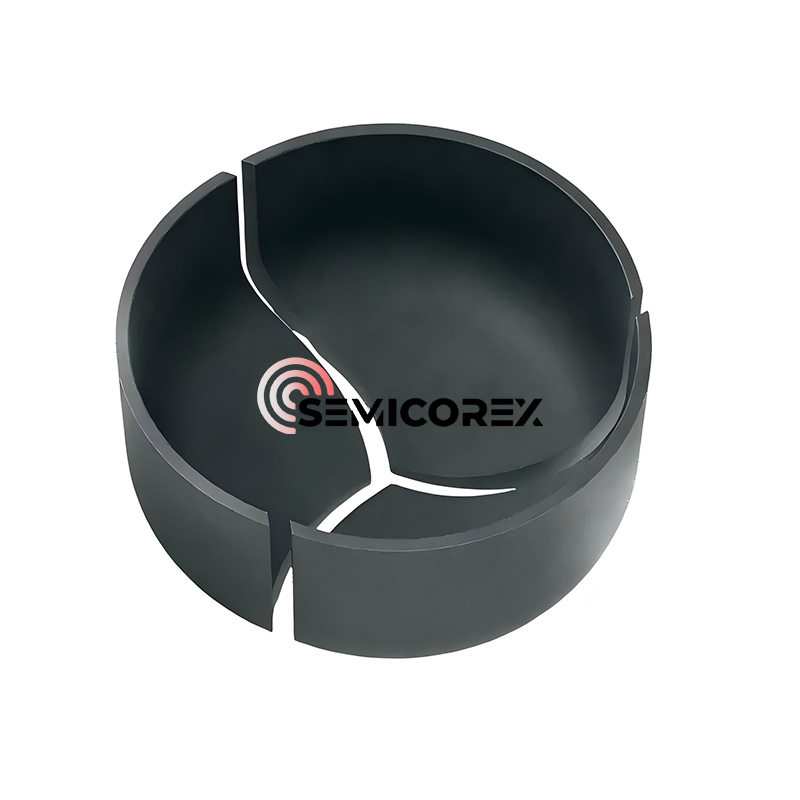
Creuzet din grafit cu trei petale
Creuzelele din grafit cu trei petale de înaltă puritate Semicorex prezintă o arhitectură inovatoare de eliberare a stresului, concepută pentru a maximiza randamentele de creștere a cristalelor în medii termice extreme de semiconductor. Semicorex oferă soluții de materiale semiconductoare de clasă mondială la nivel mondial, dând putere industriilor avansate cu componente din grafit și ceramică proiectate cu precizie, susținute de o logistică globală de încredere.*
Citeşte mai multTrimite o anchetă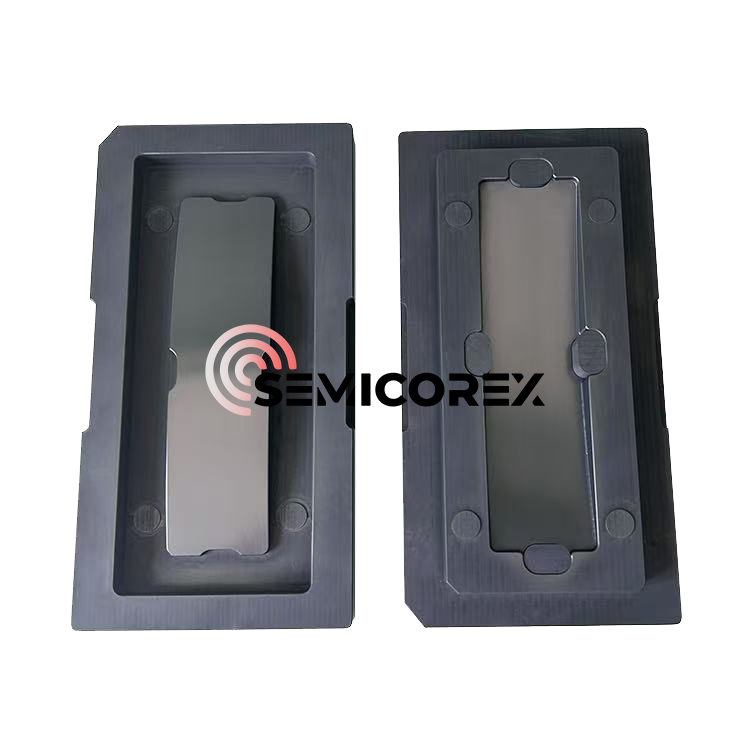
Matriță din grafit din sticlă îndoită la cald
Semicorex Hot-bent Glass Graphite Mold este proiectat cu precizie din grafit cu granulație fină, de înaltă puritate, pentru a oferi rezistență excepțională la temperatură înaltă, stabilitate la șocuri termice, auto-ungere și durabilitate chimică, asigurând sticlă curbată 3D de înaltă calitate, cu defecte minime. Semicorex este ales pentru expertiza sa profundă, designul avansat al matriței și controlul meticulos al procesului, maximizând eficient randamentul și îndeplinind cele mai exigente cerințe de producție.*
Citeşte mai multTrimite o anchetă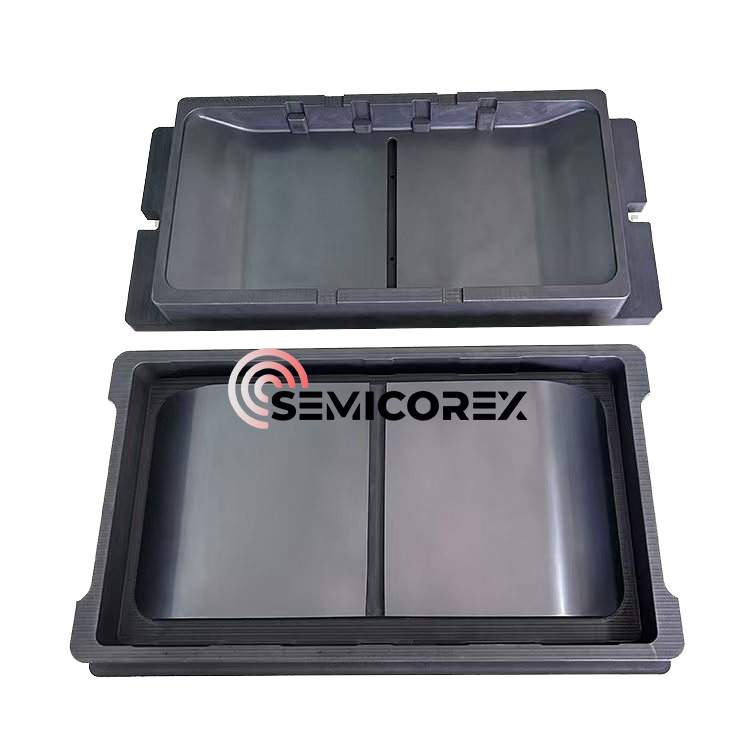
Matriță 3D din grafit din sticlă de îndoire la cald
Semicorex 3D Hot Bending Glass Graphite Mold este o matriță de grafit izostatică de înaltă calitate, concepută pentru îndoirea la cald a sticlei curbate 3D, oferind o stabilitate termică excelentă, conductivitate termică, rezistență la uzură și coroziune, îmbunătățind calitatea suprafeței sticlei, prelungind durata de viață a matriței și îmbunătățind semnificativ eficiența producției și randamentul. Semicorex este ales pentru calitatea sa fiabilă, furnizarea constantă și expertiza în furnizarea de soluții avansate de grafit în întreaga lume.*
Citeşte mai multTrimite o anchetă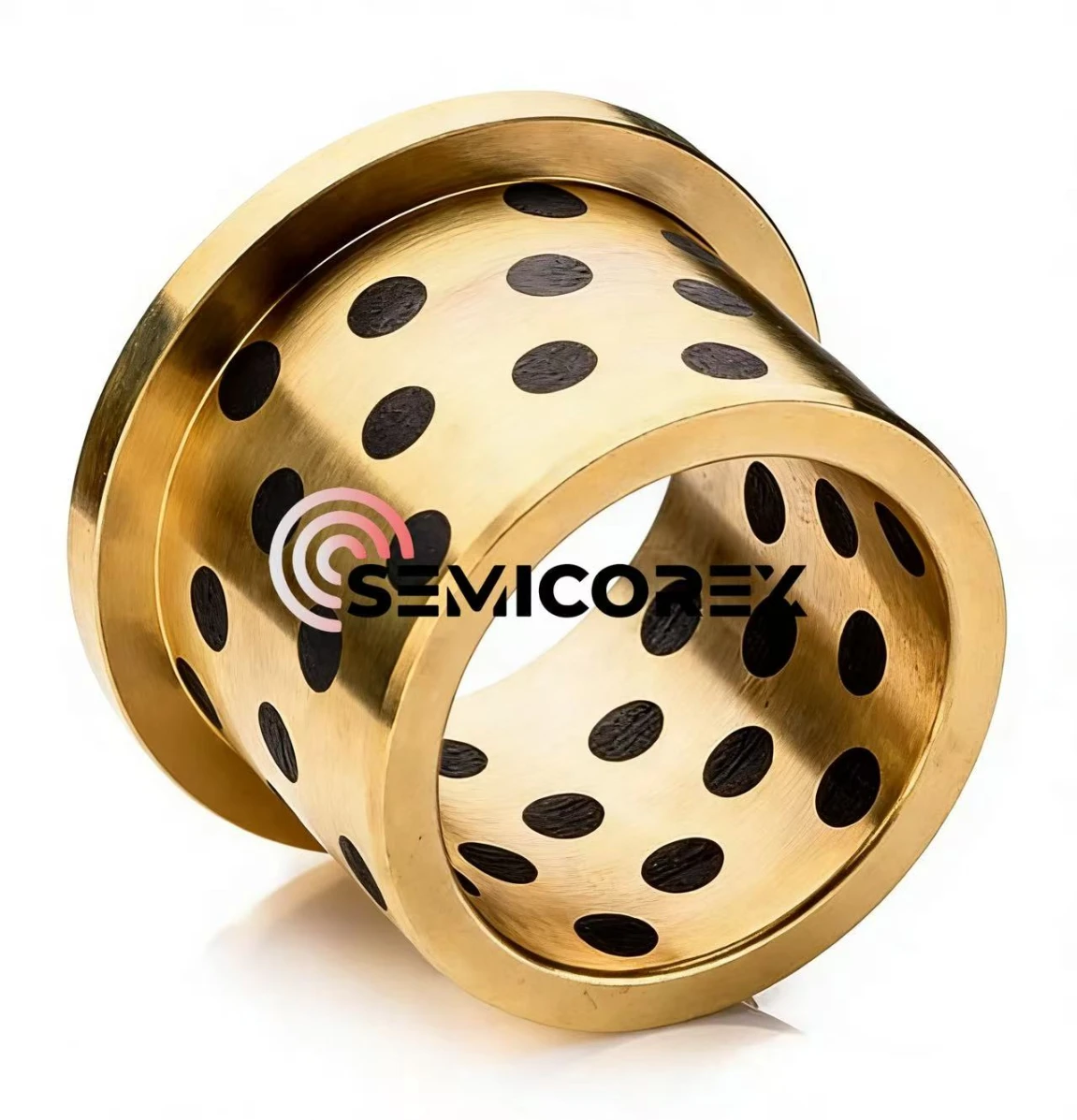
Bucșe cu autolubrifiere din grafit
Bucșele auto-lubrifiante din grafit Semicorex, numite și bucșe fără ulei, sunt componentele de înaltă performanță pentru rulmenți glisanti, concepute special pentru a funcționa fără lubrifiere externă sau alimentare cu ulei. Cu performanțe excelente, bucșele auto-lubrifiante din grafit Semicorex sunt soluțiile ideale pentru echipamentele care funcționează în medii complexe, inclusiv funcționare fără ulei, temperaturi ridicate, sarcini mari, viteze reduse, antifouling, rezistență la coroziune și rezistență la radiații.
Citeşte mai multTrimite o anchetă
Semicorex produce Grafit izostatic de mulți ani și este unul dintre producătorii și furnizorii profesioniști de Grafit izostatic din China. Odată ce cumpărați produsele noastre avansate și durabile care furnizează ambalare în vrac, vă garantăm cantitatea mare în livrare rapidă. De-a lungul anilor, le-am oferit clienților servicii personalizate. Clienții sunt mulțumiți de produsele noastre și de serviciile excelente. Așteptăm cu nerăbdare să devenim partenerul dvs. de afaceri de încredere pe termen lung! Bine ați venit să cumpărați produse din fabrica noastră.